Homemade Chantilly Cream: A Creamy Delight
Table of Contents
Homemade Chantilly Cream: A Creamy Delight
Do you remember the first time you tasted a dessert that felt truly magical? There’s something deeply comforting about a perfectly whipped topping. It turns a simple slice of cake into a gourmet treat. You can make that magic in your own kitchen with a homemade chantilly cream.

Making this luxurious treat is surprisingly easy. You don’t need fancy equipment or years of cooking experience. With just a few high-quality ingredients and patience, you’ll get a light, airy texture that melts in your mouth.
Whether you’re dressing up fresh berries or adding a dollop to your morning coffee, this easy chantilly cream is perfect. It adds elegance to every occasion, making your home-baked goods feel like a special celebration. Let’s explore how to make this classic indulgence.
Key Takeaways
- Homemade versions offer superior flavor compared to store-bought alternatives.
- Use chilled ingredients to ensure the best volume and stability.
- Avoid over-whipping to maintain a smooth, silky consistency.
- Vanilla extract provides the classic aromatic profile for this topping.
- This versatile garnish pairs perfectly with fruits, cakes, and warm beverages.
Understanding the Origins and Essence of Chantilly Cream
When you enjoy Chantilly cream, you’re part of a long tradition from 17th-century France. This rich topping has been a key part of fine dining and pastry for ages. It adds an airy texture and a hint of sweetness to desserts.
What Distinguishes Chantilly from Standard Whipped Cream
Chantilly cream is different from regular whipped cream. It has vanilla and sugar, which gives it a special taste. This taste is both sweet and fragrant.
| Characteristics | Chantilly Cream | Standard Whipped Cream |
|---|---|---|
| Flavorings | Vanilla, sugar | Often plain or sweetened |
| Texture | Light, airy | Can be dense or airy |
| Preparation | Whipped to stiff peaks with sugar and vanilla | Whipped to desired consistency |
The Historical Significance of the Chantilly Name
The name “Chantilly” comes from the Château de Chantilly in France. This historical link makes the cream even more special. It connects it to a deep cultural heritage.
Chantilly cream’s history is tied to French cuisine and the nobility. It’s seen as a sign of luxury and elegance. That’s why it’s often chosen for special events.
Essential Ingredients for the Perfect Chantilly Cream Recipe
A great Chantilly cream starts with simple, high-quality ingredients. To make a delicious base for your desserts, choose the best parts. You’ll need Heavy Whipping Cream, Powdered Sugar, and Vanilla Extract.
Selecting the Best Heavy Whipping Cream
The quality of your Chantilly cream begins with the heavy whipping cream. Choose cream with a high fat content, around 36% or higher. This will make your cream richer and more stable. Make sure the cream is fresh and not ultra-pasteurized, as this can harm its whipping ability.
The Role of High-Quality Vanilla Bean Paste or Extract
Vanilla adds a rich flavor to your Chantilly cream. High-quality vanilla bean paste or extract makes a big difference. Vanilla bean paste gives a stronger flavor and beautiful specks. Extract offers a lighter taste. Pick what you like best for your cream.
Choosing the Right Sweetener for Texture and Flavor
The sweetener you choose affects your Chantilly cream’s texture and taste. Powdered sugar is best because it dissolves well and doesn’t make the cream grainy. Adjust the sugar to your liking, but too much can make it too sweet and unstable.
By using these key ingredients and focusing on their quality, you’ll make a tasty Chantilly cream. It will enhance many desserts.
The Science Behind Achieving the Perfect Peak
To make perfect Chantilly cream, you need to understand a few key things. These include the right texture and how to keep it stable. By following these steps, you can create a light, airy, and sweet topping for your desserts.
Temperature Control and Its Impact on Emulsification
Temperature is very important when making Chantilly cream. Chill your mixing bowl and beaters before whipping the cream. This makes the cream whip up better and faster.
The best temperature for whipping cream is between 40°F and 45°F (4°C and 7°C). At this temperature, the cream’s fat molecules are stable. This allows for better air incorporation and a smoother texture. Keeping your ingredients at the right temperature is crucial for the perfect peak.
Why Fat Content Matters in Your Dairy Selection
The fat content in your dairy affects the cream’s texture and taste. Heavy whipping cream with a high fat content (around 36% to 40%) is best for Chantilly cream. It adds richness and stability to the cream.
- Heavy whipping cream (36% to 40% fat content) is ideal for Chantilly cream.
- Lower fat content can result in a less stable cream that may not hold its shape.
- The right fat content ensures a richer flavor and better texture.
The Role of Stabilizers in Maintaining Structure
Stabilizers are key to keeping Chantilly cream’s structure, especially when it’s used as a topping. Common stabilizers include gelatin, cornstarch, and cream of tartar. They help strengthen the emulsion, preventing the cream from becoming too runny or separating.
When using stabilizers, start with a small amount and adjust to taste. This helps keep the cream light and airy while maintaining its structure.
Tools and Equipment You Need for Success
The right tools are key to getting the perfect peak on your chantilly cream. Making classic chantilly cream is more than just a recipe. It’s about using the right tools to get a light, fluffy, and tasty result.
Choosing Between Hand Whisks and Electric Mixers
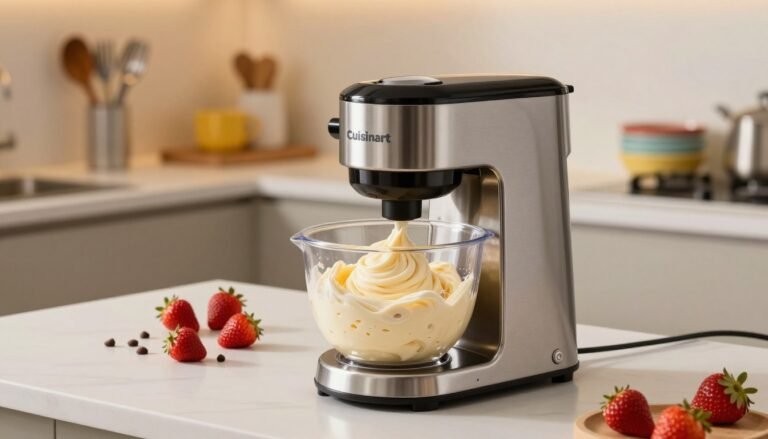
For whipping cream, you can choose between hand whisks and electric mixers. Hand whisks give you control over the cream’s consistency. Electric mixers are faster and easier for big batches.
Hand whisks can make cream smoother because you scrape the bowl constantly. But electric mixers, especially with a whisk attachment, can also whip up great cream with less effort.
The Importance of Chilled Bowls and Utensils
Chilling your bowls and utensils is vital for making chantilly cream. Cold equipment keeps the cream cold, which is key for stiff peaks. Chill your mixing bowl and whisk or beaters in the fridge for at least 15 minutes before whipping.
Proper Storage Containers for Your Finished Cream
After whipping your cream, you need to store it right to keep its texture. Use an airtight container to keep it fresh and prevent odors. You can also store it in a piping bag for decorating.
| Feature | Hand Whisk | Electric Mixer |
|---|---|---|
| Control Over Whipping | High | Medium |
| Effort Required | High | Low |
| Speed | Slow | Fast |
| Smoothness of Cream | High | High (with whisk attachment) |
Step-by-Step Guide to Making Classic Chantilly Cream
Making Chantilly cream from scratch is easier than you think. This guide will help you top your favorite desserts in no time. It involves a few simple steps that require some attention to detail but yield impressive results.
Preparing Your Workspace and Ingredients
Before you start, make sure your workspace is clean and organized. Chill your mixing bowl and beaters in the freezer for at least 10 minutes. This step is crucial for achieving the right consistency.
Essential Ingredients:
- 1 cup heavy whipping cream
- 2 tablespoons granulated sugar
- 1 teaspoon vanilla extract or vanilla bean paste
Techniques for Achieving Soft, Medium, and Stiff Peaks
The key to making perfect Chantilly cream lies in whipping the cream to the right consistency. Here’s how to achieve different peaks:
- Soft Peaks: Whip the cream until it begins to thicken and forms soft, floppy peaks. This is ideal for folding into desserts.
- Medium Peaks: Continue whipping until the cream becomes thicker and forms peaks that are slightly firmer. This is great for topping desserts.
- Stiff Peaks: Whip until the cream becomes stiff and holds its shape. Be cautious not to over-whip.
As Chef Jacques Pépin once said, “The art of whipping cream is not just about beating it until it becomes stiff; it’s about understanding when to stop.”
“You want to stop when it still holds its shape but is not too stiff, as it can quickly turn into butter.” –
Chef Jacques Pépin
Troubleshooting Common Issues Like Over-Whipping
Over-whipping is a common issue that can result in butter. If you notice your cream starting to look grainy or separated, stop immediately. You can sometimes rescue over-whipped cream by gently folding in a little more heavy cream.
| Issue | Solution |
|---|---|
| Over-whipping | Add a little more heavy cream and gently fold |
| Under-whipping | Continue whipping until desired consistency is reached |
Following these steps and tips, you’ll be able to make perfect Chantilly cream every time. Here’s a summary of the process:
- Step 1: Prepping Your Equipment
- Step 2: Combining Ingredients
- Step 3: Whipping the Cream
- Step 4: Achieving Stiff Peaks
- Step 5: Adjusting Flavor and Sweetness
- Step 6: Serving or Storing
Flavor Variations to Elevate Your Homemade Chantilly Cream
Make your desserts special with creative Chantilly cream flavors. A few tweaks can turn this classic topping into a unique dessert element.
“The art of flavoring Chantilly cream lies in balancing the richness of the cream with complementary ingredients,” says a renowned pastry chef. This balance is crucial for creating a harmonious taste experience.
Infusing Cream with Citrus Zest and Spices
Adding citrus zest to your Chantilly cream can add a new dimension. The brightness of lemon or orange zest cuts through the cream’s richness, offering a refreshing contrast. Simply grate the zest and mix it into the cream before whipping. You can also add a pinch of warm spices like cinnamon or nutmeg for a cozy, aromatic flavor.
For example, a Citrus Zing variation can be achieved by mixing in some freshly grated orange zest and a hint of vanilla extract. This combination is perfect for topping desserts like fruit tarts or cakes.

Incorporating Liqueurs and Extracts for Depth
For a more sophisticated flavor, consider adding a liqueur or extract to your Chantilly cream. A small amount of Grand Marnier or Cointreau can add a deep, citrusy flavor. A few drops of almond extract can introduce a nutty and aromatic note. When using liqueurs, start with a small amount and taste as you go, as the flavor can quickly become overpowering.
Some popular liqueurs for flavoring Chantilly cream include:
- Kahlúa for a mocha flavor
- Amaretto for an almond-flavored cream
- Rum or bourbon for a depth of flavor
Adding Cocoa Powder for a Chocolate Twist
For chocolate lovers, adding cocoa powder is a straightforward way to create a chocolate Chantilly cream. Simply sift a tablespoon or two of high-quality cocoa powder into the cream before whipping. You can adjust the amount of cocoa to achieve your desired level of chocolate intensity.
A Chocolate Twist variation is perfect for topping desserts like brownies, chocolate cakes, or even ice cream. You can also pair it with a sprinkle of cocoa powder or chocolate shavings for added visual appeal.
Pairing Your Cream with Iconic Desserts
Learn how to make your favorite desserts even better with homemade Chantilly cream. It’s perfect for adding a rich, creamy touch to simple fruit salads or complex cakes.
Serving Suggestions for Fresh Fruit and Berries
Fresh fruit and berries pair well with Chantilly cream. The cream’s sweetness matches the tartness of fruits like strawberries, blueberries, and raspberries. Try a mix of fresh berries with a dollop of vanilla Chantilly cream for a quick dessert.
For a fancy look, layer sliced strawberries or peaches with Chantilly cream in a tall glass. This makes each bite a mix of fruit and creamy topping.
Using Chantilly Cream in Layered Cakes and Trifles
Classic Chantilly cream is key in layered cakes and trifles. It adds moisture and flavor between layers. Spread a lot of Chantilly cream between layers for a moist, creamy texture.
Make a trifle with sponge cake, fruit, and whipped cream recipe-based Chantilly cream for a stunning dessert. The cream makes the cake layers moist and flavorful.
| Dessert | Chantilly Cream Pairing Suggestion |
|---|---|
| Fresh Fruit Salad | Top with a dollop of vanilla Chantilly cream |
| Layered Cake | Use Chantilly cream between layers for added moisture and flavor |
| Warm Pastries | Serve with a side of Chantilly cream for a luxurious treat |
Enhancing Warm Pastries and Crepes
Warm pastries and crepes get a boost from Chantilly cream. The cream’s warmth contrasts with the pastry’s coolness.
Top crepes with fruit or chocolate and Chantilly cream. For pastries like croissants or Danish, powdered sugar and Chantilly cream make a great breakfast or dessert.
“The addition of Chantilly cream to desserts like crepes and warm pastries adds a luxurious and creamy element that elevates the overall dining experience.”
Pro Tips for Professional Results at Home
Want to make your desserts look like they came from a fancy restaurant? With some expert tips, you can make simple Chantilly cream that’s restaurant-quality. It’s all about mastering the little details.
Here are some key tips to improve your Chantilly cream game. Chill everything, watch for the right peaks, balance sweetness, experiment with flavors, and store it right.
How to Fix Broken or Curdled Cream
Did your Chantilly cream turn curdled? No worries. You can fix it by gently adding more heavy cream or re-whipping it. Be careful not to break the emulsion further.
Temperature control is key. Make sure your ingredients and tools are cold. This keeps the cream stable.
Extending the Shelf Life of Your Whipped Topping
To keep your Chantilly cream fresh, store it in an airtight container in the fridge. It’s best eaten within a day or two for the best taste and texture.
| Storage Method | Shelf Life | Tips |
|---|---|---|
| Airtight Container in Refrigerator | 1-2 days | Keep it away from strong-smelling foods |
| Freezer (for longer storage) | Up to a month | Freeze in dollops or a single block; whip again after thawing |
Presentation Techniques for Restaurant-Quality Plating
How you present your desserts matters a lot. Use a piping bag with a star tip for beautiful swirls. Add fresh fruits, nuts, or chocolate shavings for color and texture.

For an elegant look, use a turntable to display your desserts. Add a backdrop with colors and textures that match.
Follow these pro tips for making the best Chantilly cream to create desserts that are both delicious and stunning.
Common Mistakes to Avoid When Making Chantilly Cream
To make a light and airy Chantilly cream, you must avoid common mistakes. Making this cream is a delicate task that needs careful attention.
Avoiding the Pitfalls of Room Temperature Ingredients
Using ingredients at room temperature is a common mistake. Chilling your bowl and beaters is key. Cold equipment helps to incorporate air more efficiently into the cream.
Make sure your heavy whipping cream is well-chilled before whipping. This ensures the right consistency and prevents it from turning into butter.
Managing Sugar Ratios for Balanced Sweetness
Getting the sugar amount right is crucial. Too little sugar might not be sweet enough. Too much can make it too sweet and destabilize the whipped structure.
Use about 1-2 tablespoons of sugar per cup of heavy cream. Adjust this based on your taste and the dessert it’s for.
| Sugar Amount (per cup of cream) | Taste Outcome |
|---|---|
| 1 tablespoon | Lightly sweetened |
| 2 tablespoons | Moderately sweet |
| 3 tablespoons | Very sweet |
Preventing Separation During Storage
To prevent separation, store your Chantilly cream properly. Put it in an airtight container and refrigerate it.
If your Chantilly cream starts to separate, you can fix it by gently re-whipping it. But, it’s better to prevent it by storing it correctly from the start.
Conclusion
Now you know how to make classic chantilly cream. This fluffy whipped topping can make your desserts better. Just add high-quality vanilla bean paste or extract to a simple whipped cream recipe.
Try different flavors and pairings to find your favorite desserts. Your homemade chantilly cream is perfect for topping fruits or layering in cakes. It’s sure to impress everyone.
With these easy steps and tips, you’re ready to make amazing desserts. So, get creative and enjoy making your own classic chantilly cream.
How to make chantilly cream if I don’t have a stand mixer?
You can achieve great results with a Cuisinart hand mixer or a stainless steel balloon whisk. If whisking by hand, keep your bowl over ice to keep the cream cold.
Is there an easy chantilly cream version for beginners?
Absolutely. The simplest version has just three ingredients: cold heavy cream, powdered sugar, and vanilla extract. Using powdered sugar ensures a smooth texture.
Can I use this chantilly cream recipe for piping onto cupcakes?
Yes, but whip the cream to stiff peaks. For extra security, add a stabilizer like Dr. Oetker Whip It to help the cream maintain its shape in warmer room temperatures.
Why is my vanilla chantilly cream turning yellow?
This usually happens if you use a high-quality, dark vanilla extract or if you over-whip the cream and it begins to turn into butter. For a stark white appearance, use a clear vanilla imitation or a very small amount of concentrated bean paste.
What is the best chantilly cream tip for long-lasting peaks?
The secret is keeping everything—including the bowl and whisk—ice cold. Also, use cream with a higher fat content, like heavy whipping cream, for lasting peaks.
How long does homemade chantilly cream stay fresh?
When stored in an airtight Pyrex container in the refrigerator, it will stay fresh for about 24 hours. If it begins to deflate, you can usually revive it with a few quick whisks by hand before serving.