The Best Gluten-Free Cake Recipe You’ll Ever Try
Table of Contents
The Best Gluten-Free Cake Recipe You’ll Ever Try
Do you remember the joy of a perfect birthday treat? For many, dietary restrictions make that sweet nostalgia a frustrating kitchen challenge. You deserve a dessert that tastes as magical as the ones from your childhood.

Baking without wheat flour can feel like a daunting science experiment. Many attempts result in dry, crumbly textures that leave you feeling disappointed. However, finding a reliable method changes everything for your home kitchen.
We have crafted a simple, delicious gluten free cake recipe that delivers moist, fluffy results every single time. You will finally enjoy a classic vanilla delight that satisfies your cravings without any compromise. Let us help you master this essential skill today.
Key Takeaways
- Discover why texture is the biggest hurdle in alternative baking.
- Learn the secret to achieving a moist crumb without traditional flour.
- Master a foolproof vanilla base that works for any occasion.
- Save time with a straightforward approach to dietary-friendly desserts.
- Gain confidence in your ability to create professional-quality sweets at home.
Understanding the Science of Gluten-Free Baking
To master gluten-free baking, you need to understand its chemistry. It’s a complex process that requires knowing how ingredients work together. This knowledge is key to making great gluten-free treats.
Gluten-free baking faces a big challenge: the lack of gluten. Gluten is a protein in wheat, barley, and rye that makes dough elastic. Without it, baked goods can be dense or crumbly.
Why Gluten-Free Flour Behaves Differently
Gluten-free flours act differently because of their unique textures and compositions. Unlike wheat flour, they don’t have gluten’s cohesive properties. So, picking the right flour blend is essential.
Gluten-free flours vary in protein, fiber, and starch. This affects how they soak up liquid and mix with other ingredients. For example, almond flour is rich in fat and protein, while rice flour is light and starchy.
The Role of Binders in Your Cake
Binders are crucial in gluten-free baking. They replace gluten’s role. Common binders include xanthan gum, guar gum, and eggs. These help improve the texture and structure of gluten-free baked goods.
Xanthan gum is a favorite for gluten-free baking. It enhances texture and prevents crumbling. It mimics gluten’s binding properties, making the final product more cohesive.
By grasping the science of gluten-free baking and using the right ingredients and techniques, you can make easy gluten free baking a reality. This way, you can create tasty, gluten-free treats for everyone to enjoy.
Essential Ingredients for Your Gluten Free Cake Recipe
For a moist and flavorful gluten-free cake, the right ingredients are key. You need to pick the right gluten-free flour blend and find good dairy-free or vegan substitutes.
Selecting the Right Gluten-Free Flour Blend
The base of a great gluten-free cake is a balanced flour blend. Unlike wheat flour, gluten-free flours don’t have the structure and binding gluten does. To get around this, mix different gluten-free flours.
Key components of a good gluten-free flour blend include:
- Rice flour for lightness
- Potato starch for moisture retention
- Tapioca flour for texture
Try different ratios to find the perfect blend for your gluten free dessert ideas. You can also buy pre-mixed gluten-free flour blends to make things easier.
Choosing Dairy-Free and Vegan Substitutes
If you’re lactose intolerant or vegan, finding the right dairy substitutes is crucial. In a dairy free cake recipe, use almond milk, coconut milk, or soy milk instead of traditional dairy.
Popular dairy-free and vegan substitutes include:
| Ingredient | Dairy-Free/Vegan Alternative |
|---|---|
| Milk | Almond milk, Coconut milk |
| Butter | Coconut oil, Vegan butter |
| Eggs | Flaxseed, Chia seeds |
These substitutes meet dietary needs and add flavor and texture to your gluten-free cake.
Must-Have Tools for Successful Gluten-Free Baking
Starting with the basics is key for gluten-free baking. You need the right tools and equipment. A well-stocked kitchen is essential for your gluten-free baked goods to turn out right.
Precision Measuring Equipment
Precision is crucial in gluten-free baking. Digital scales are a must for accurate measurements. They give exact weights, which is vital for the right texture and consistency.
It’s also smart to use separate measuring cups for dry and liquid ingredients. Having accurate and easy-to-use measuring spoons is beneficial too.
- Digital kitchen scale
- Dry measuring cups
- Liquid measuring cups
- Measuring spoons
Bakeware and Mixing Essentials
The right bakeware is important for gluten-free baking. Non-stick pans and silicone baking mats help prevent cakes from sticking. They make removing the cakes much easier.
A stand mixer is a great investment for mixing. It has the power to mix thick gluten-free batter well. If you don’t have a stand mixer, a hand mixer or a sturdy whisk works too.
Other must-haves include a rubber spatula for scraping bowls and a whisk for mixing air into mixtures. Having these tools can make your gluten-free baking much better.
- Non-stick cake pans
- Silicone baking mats
- Stand mixer or hand mixer
- Rubber spatula
- Whisk
Preparing Your Kitchen for Allergen-Free Success
Before you start baking, make sure your kitchen is ready for allergen-free success. It’s not just about cleaning. You need to create a space where allergens, especially gluten, are kept away.
Preventing Cross-Contamination in Your Workspace
Cross-contamination is a big worry when baking gluten-free. To avoid it, do the following:
- Clean and Sanitize: Clean and sanitize all surfaces, utensils, and equipment before you begin. This means countertops, mixing bowls, and baking pans.
- Dedicate Tools: Use specific tools and equipment for gluten-free baking. This helps avoid mixing gluten with gluten-free ingredients.
- Label and Separate: Label gluten-free ingredients clearly. Store them in a separate area from gluten products.
By following these steps, you can greatly lower the chance of cross-contamination. This ensures your healthy gluten-free sweets are safe for those with gluten issues.
Proper Storage of Gluten-Free Ingredients
Storing gluten-free ingredients right is key to keeping them fresh and safe. Here’s how:
- Cool, Dry Place: Keep gluten-free flours and ingredients in a cool, dry spot. This prevents spoilage and contamination.
- Airtight Containers: Use airtight containers to keep ingredients fresh. They also protect against pests.
- Labeling: Label containers with the date you bought or opened them. This helps use older ingredients before they expire or go bad.
By following these tips, you can make a kitchen that’s perfect for baking allergen-free treats. This includes tasty and healthy gluten-free sweets.
Step-by-Step Guide to Mixing Your Batter
To make the perfect gluten-free cake, you must learn to mix your batter well. Mixing is key to getting the right texture and consistency. We’ll guide you through this process, focusing on important techniques for successful gluten-free baking.
Creaming Fats and Sugars for Texture
Creaming fats and sugars is the first step to a light and fluffy cake. This step adds air to the batter, which is crucial for the cake’s texture. Start with room temperature ingredients and beat the fats and sugars together until they’re light and fluffy. This should take about 2-3 minutes with an electric mixer on medium speed.
Here are some tips for effective creaming:
- Use the right type of sugar; granulated sugar works best for creaming.
- Ensure your fats are at room temperature for better aeration.
- Don’t overcream, as this can lead to a dense cake.
Incorporating Wet and Dry Ingredients Correctly
After creaming the fats and sugars, it’s time to add the wet and dry ingredients. It’s important to mix them correctly to keep the batter’s consistency. Start by adding your wet ingredients (like eggs, milk, or vegan substitutes) gradually, mixing well after each addition. Then, fold in your dry ingredients (like gluten-free flour blend, baking powder, etc.) in batches, being careful not to overmix.
The order and method of adding these ingredients can greatly affect the final product. Here are some key points to remember:
- Alternate between adding wet and dry ingredients to maintain a smooth batter.
- Mix on low speed or fold gently to prevent deflating the batter.
- Scrape down the sides of the bowl to ensure all ingredients are well incorporated.
By following these steps and tips, you’ll be well on your way to mastering easy gluten-free baking. Remember, practice makes perfect, so don’t be discouraged if it takes a few attempts to get it just right.
Mastering the Baking Process and Temperature Control
The secret to a perfect gluten-free cake recipe is in the baking details. This includes oven settings and checking if it’s done. To get a moist and tasty cake, you must grasp the baking without gluten.
Baking a gluten-free cake needs precision and focus. Unlike regular cakes, gluten-free ones are more sensitive to temperature and time. This is because gluten, which traditional cakes have, is missing.
Adjusting Oven Settings for Gluten-Free Cakes
Getting your oven right is key for a gluten-free cake. These cakes need a lower oven temperature. This prevents them from getting too hard on the outside before they’re fully cooked inside.
To get your oven just right, do the following:
- Preheat your oven to the right temperature, avoiding it being too hot or cold.
- Place your cake on the middle rack for even baking.
- Try using a convection oven setting for a more even bake.

Testing for Doneness Without Overbaking
Checking if your cake is done is very important when baking a gluten-free cake. Gluten-free cakes are delicate. Overbaking can make them dry.
To check without overbaking:
- Insert a toothpick or cake tester into the cake’s center. If it’s clean or has a few moist crumbs, it’s ready.
- Look at the cake’s edges; they should be lightly golden and start to pull away from the pan.
- Press the cake’s top gently; it should spring back.
By learning these tips, you can bake a gluten-free cake that’s both tasty and looks great.
Creative Frosting and Decoration Ideas
Turn your gluten-free desserts into stunning works of art with our frosting and decoration tips. The right touches can make your gluten-free cakes truly special.
Finishing touches are key in gluten-free baking. A few creative ideas can make your desserts stand out.
Making Dairy-Free Buttercream Frosting
Making dairy-free buttercream frosting is simple. Use vegan butter and non-dairy milk for a creamy texture. Here’s a basic recipe to start with:
- 1 cup vegan butter, softened
- 2 cups powdered sugar
- 1/2 teaspoon salt
- 1/2 teaspoon vanilla extract
- 2-4 tablespoons non-dairy milk
Start by beating the vegan butter until it’s creamy. Then, add the powdered sugar, salt, and vanilla extract slowly. Use non-dairy milk to get the right consistency.
Adding Natural Flavors and Toppings
Boost your gluten-free desserts with natural flavors and toppings. Fresh fruits, nuts, and cocoa nibs add texture and taste. Here are some ideas:
| Flavor/Topping | Description | Best Used With |
|---|---|---|
| Fresh Berries | Sweet and tangy, adds moisture and flavor | Vanilla or lemon-flavored cakes |
| Cocoa Nibs | Rich, chocolatey flavor and crunchy texture | Chocolate cakes |
| Toasted Nuts | Crunchy texture and nutty flavor | Cakes with caramel or coffee flavors |
With these frosting and decoration ideas, your gluten-free desserts will be unforgettable. Try different flavors and toppings to find your style.
Troubleshooting Common Gluten-Free Baking Issues
Gluten-free baking can be tricky, but knowing how to solve problems makes it easier. Issues like dry or crumbly textures and sunken centers can be frustrating. But, with the right gluten-free baking tips, you can make a delicious, moist cake.
Dry or Crumbly Cake Textures
A dry or crumbly cake often comes from wrong ingredient ratios or not mixing enough. Make sure you use the right mix of flours and xanthan gum or guar gum. As King Arthur Flour advises, mixing different gluten-free flours can improve the texture.
Also, pay attention to how you mix. Too much mixing can make the cake dense and crumbly. Too little mixing can cause it to fall apart. Mix wet and dry ingredients separately and then gently combine them.

Correcting Sunken Centers and Uneven Rises
Sunken centers or uneven rises can happen for many reasons. These include wrong oven temperature, not enough leavening, or mixing too much. First, check your oven temperature with a thermometer. Then, make sure your leavening agents are fresh and used correctly.
As noted by
“The key to a successful gluten-free cake is understanding the role of each ingredient and how they interact.”
This knowledge helps you tweak your recipe and technique for a smooth rise.
- Check your oven temperature regularly.
- Use fresh leavening agents.
- Avoid overmixing the batter.
Healthy Gluten Free Sweets and Variations
Gluten-free baking is more than just avoiding gluten. It’s a chance to make healthier, tastier sweets. By tweaking your recipes, you can meet different dietary needs and tastes. This way, everyone can enjoy your yummy treats.
Adapting the Recipe for Different Dietary Needs
Gluten-free baking lets you easily change recipes for different diets. For a vegan gluten-free treat, use flaxseed or chia seed eggs and plant-based milks instead of eggs and regular milk.
To cut down on sugar, try honey or maple syrup instead of refined sugars. You can also use coconut sugar or date sugar for a unique taste.
| Dietary Need | Substitution | Benefit |
|---|---|---|
| Vegan | Egg replacers (flaxseed, chia seed) | Maintains moisture and structure |
| Low Sugar | Natural sweeteners (honey, maple syrup) | Reduces refined sugar content |
| Dairy-Free | Plant-based milks (almond, soy milk) | Accommodates dairy intolerance |
Incorporating Seasonal Fruits and Spices
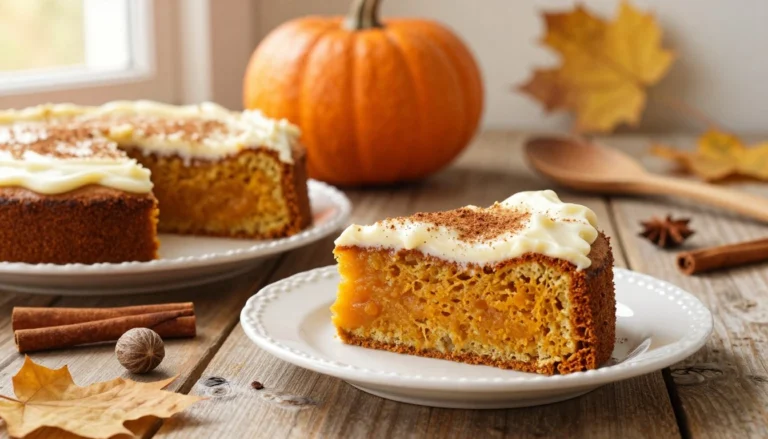
Adding seasonal fruits and spices makes your homemade gluten-free cake more exciting. For example, pumpkin and cinnamon in fall make a warm, spicy cake.
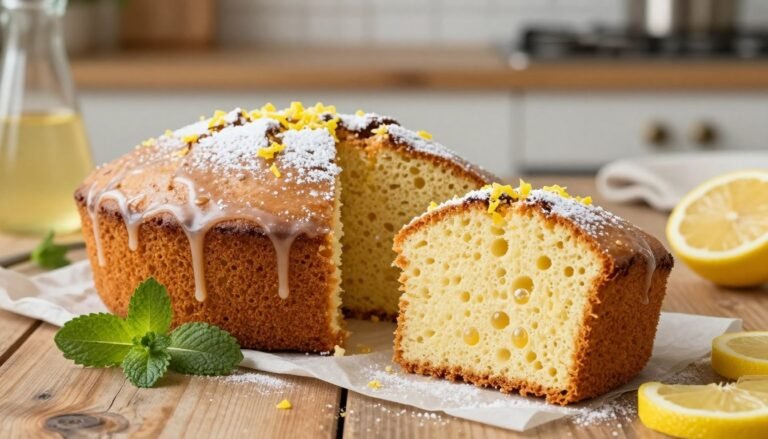
In spring, lemon zest and fresh berries add a refreshing twist. They brighten up your gluten-free treats.
Using seasonal ingredients keeps your gluten-free baking fresh and fun. Whether it’s for a special event or just for fun, you can try new things.
Conclusion
Now that you know how to bake a tasty gluten-free cake, it’s time to try more dessert ideas. This article has given you the skills to mix different flavors and ingredients. You can make desserts that fit many dietary needs.
You can add seasonal fruits and spices to the recipe. This makes it a great choice for any event. You can also try vegan, dairy-free, gluten-free, and sugar-free cakes.
Keep trying new things to grow your collection of gluten-free desserts. This way, everyone can enjoy the sweet treats you make. So, start baking and find new gluten-free dessert ideas that will impress your family and friends.
FAQ
What is the best way to choose a flour for a homemade gluten free cake?
For the best results, choose a high-quality “measure-for-measure” blend. King Arthur Measure for Measure Flour or Bob’s Red Mill 1-to-1 Gluten-Free Baking Flour are great options. They are made to act like wheat, making baking easy for beginners.
How can I transform this into a dairy free cake recipe or create vegan gluten free treats?
To make a dairy-free cake, use Miyoko’s Creamery European-Style Cultured Vegan Butter and Silk Almond Milk or Oatly. For vegan treats, replace eggs with JUST Egg or a flaxseed meal slurry. This keeps your cake moist and holds its shape.
What are your top gluten free baking tips for preventing a dry or crumbly texture?
Gluten-free flours absorb moisture slowly. Let your batter rest for 20 to 30 minutes before baking. This helps the rice grains hydrate and avoids a gritty texture. Also, include xanthan gum for elasticity, ensuring your desserts stay together.
Do I need special equipment for successful gluten free dessert ideas?
Precision is key, not special equipment. Use a digital kitchen scale to measure flour accurately. A KitchenAid Stand Mixer with a paddle attachment helps mix fats and sugars well, making your cake light and fluffy.
How can I create healthy gluten free sweets using seasonal ingredients?
Add fresh, seasonal produce to your sweets. Grated zucchini and McCormick Cinnamon make a moist summer treat. Fresh blueberries and lemon zest add bright flavors in spring. Natural sweeteners like Wholesome Sweeteners Organic Coconut Sugar add depth without being too refined.
How do I store my ingredients to ensure they stay fresh for my next gluten free cake recipe?
Store gluten-free flours in airtight containers in a cool, dark place or fridge. This keeps them fresh for your next baking project. Flours with high oil content, like almond or coconut, can go rancid quickly.
What should I do if my cake has a sunken center or an uneven rise?
Sunken centers or uneven rises are common. They can happen if the oven door is opened too early or if there’s too much leavening agent. Use fresh Arm & Hammer Baking Soda or baking powder and check your oven’s temperature. Gluten-free cakes need patience to set properly.