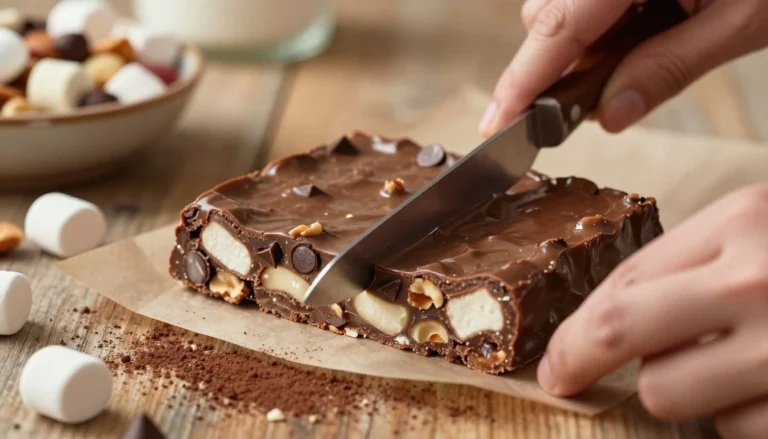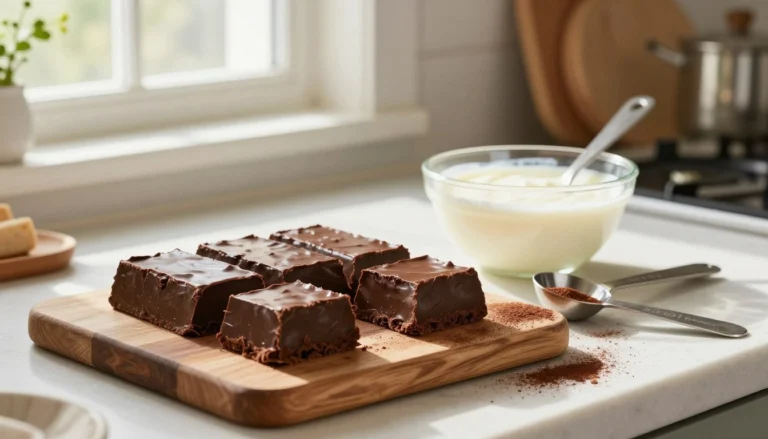
Penuche Fudge Recipe: Smooth, Rich, and Irresistible
Table of Contents
Penuche Fudge Recipe: Smooth, Rich, and Irresistible
Do you remember the warm, buttery smell in your grandmother’s kitchen on rainy Sundays? It’s magical. This smell brings back memories of treats that melt in your mouth and warm your heart. For many, it’s linked to a special candy made with deep brown sugar and creamy butter.
Making your own homemade penuche fudge brings back those cozy moments. This sweet treat is special because it uses the rich taste of cooked sugar, not chocolate. It’s incredibly smooth and satisfying.

Making treats at home is rewarding and tastes better than store-bought ones. This guide helps you make perfect fudge every time. It also offers tips for success. Let’s start making this timeless New England favorite today.
The deep molasses tones in the sugar make it complex and delicious. It’s a great choice for anyone who loves sweets. Making these treats is a lovely way to share your love through cooking.
Key Takeaways
- Learn how brown sugar creates a distinct caramel flavor profile.
- Master the technique for achieving a perfectly smooth, rich texture.
- Discover why home-cooked confections surpass store-bought options.
- Understand the importance of temperature control in candy making.
- Explore the unique New England heritage of this classic dish.
What Makes Penuche Fudge Special
Penuche fudge is special because of its rich history and unique taste. It’s made with brown sugar, a key ingredient. This confection is loved in many cultures, especially where candy-making is an art.
So, what makes penuche fudge different from other fudge? It’s the history, the brown sugar, and how it compares to chocolate fudge.
The Origin and History of Penuche
Penuche fudge comes from American and Mexican traditions. The name ‘penuche’ comes from ‘panocha,’ a raw sugar term. It’s made with brown sugar, cream, and butter, creating a smooth, creamy treat.
Trying traditional penuche fudge means using these basic ingredients. It’s a taste of history.
Why Brown Sugar Makes All the Difference
Brown sugar is the key to penuche fudge’s flavor and texture. It has molasses, which adds a rich taste. This makes the fudge different from other types.
Using brown sugar also affects the fudge’s texture. It caramelizes differently, making the fudge smooth and creamy. High-quality brown sugar is crucial for this.
Penuche vs. Traditional Chocolate Fudge
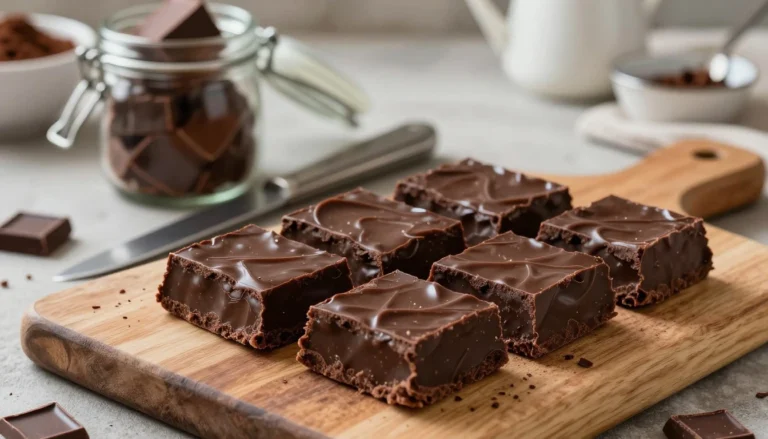
Penuche fudge and chocolate fudge are quite different. Penuche uses brown sugar, while chocolate fudge uses cocoa or chocolate. This gives penuche a unique taste that’s rich but subtle.
The texture of penuche fudge is also smoother and creamier. This is because of the brown sugar. Chocolate fudge can be grainy or have a robust texture, depending on the chocolate.
Essential Ingredients for Your Penuche Fudge Recipe
The secret to a delicious penuche fudge lies in its simple yet crucial ingredients. To make the best penuche fudge, you need to understand the role of each component.
Brown Sugar: The Star Ingredient
Brown sugar is the backbone of penuche fudge, giving it a rich, caramel-like flavor. Using high-quality brown sugar is essential for achieving the best flavor. You can use either light or dark brown sugar, depending on your preference for a lighter or deeper flavor.
Butter and Cream: Creating the Perfect Texture
Butter and cream are vital for creating the smooth, creamy texture that characterizes good penuche fudge. Using unsalted butter allows you to control the saltiness of your fudge, while heavy cream adds richness and helps to achieve the perfect consistency.
Optional Add-ins and Flavor Enhancers
While traditional penuche fudge is delicious on its own, you can enhance it with various add-ins. Nuts like pecans or walnuts add a nice crunch, while a pinch of sea salt can balance the sweetness. You can also experiment with flavor enhancers like vanilla extract.
Here’s a summary of the essential ingredients and their roles:
| Ingredient | Role in Penuche Fudge |
|---|---|
| Brown Sugar | Provides rich, caramel-like flavor |
| Unsalted Butter | Contributes to smooth texture and controlled saltiness |
| Heavy Cream | Adds richness and helps achieve perfect consistency |
| Nuts (optional) | Adds crunch and texture contrast |
| Sea Salt (optional) | Balances sweetness and enhances flavor |
Kitchen Tools and Equipment You’ll Need
To make your penuche fudge recipe a success, you’ll need the right tools and equipment. Making homemade penuche fudge is fun and rewarding. But, you need specific tools for that smooth, creamy texture.
The Importance of a Candy Thermometer
A candy thermometer is key when making homemade penuche fudge. It helps you measure the sugar mixture’s temperature accurately. This is crucial for the perfect consistency. Without it, your fudge might be too soft or too hard.
To use a candy thermometer well, make sure it’s calibrated and attached to your saucepan. This will give you a precise temperature reading as it cooks.
Choosing the Right Saucepan and Pan
The saucepan and pan you choose can greatly affect your quick penuche fudge recipe. For cooking the sugar mixture, use a heavy-bottomed saucepan that’s large enough. A saucepan with a non-stick coating helps prevent sticking and makes cleanup easier.
For setting the fudge, you need a pan for cooling and cutting. A square or rectangular pan with a non-stick surface is best. Here are some key considerations when choosing a pan:
- Material: Choose a pan made from a durable, non-reactive material like stainless steel or silicone.
- Size: Ensure the pan is the right size for the amount of fudge you’re making.
- Non-stick surface: A non-stick surface will make it easier to remove the fudge once it’s set.
With the right kitchen tools and equipment, you’ll be well on your way to making delicious homemade penuche fudge. Remember, the key to success is in the details. So, take the time to prepare your kitchen properly before starting your quick penuche fudge recipe.
Classic Penuche Fudge Recipe: Step-by-Step Instructions
This easy penuche fudge recipe will help you make a smooth and rich treat quickly. Making penuche fudge is simple, but it does require some steps. Paying attention to detail is key.
Preparing Your Workspace and Ingredients
First, make sure your workspace is clean and organized. Get all the ingredients and tools ready to avoid any last-minute mess. You’ll need brown sugar, butter, cream, and any optional add-ins you’ve chosen.
Key Ingredients:
- 2 cups brown sugar
- 1/2 cup (1 stick) unsalted butter
- 1/2 cup heavy cream
- Optional: nuts, vanilla extract
Cooking the Sugar Mixture to Perfect Temperature
Cooking the sugar mixture to the right temperature is key for the perfect consistency. Use a candy thermometer to check the temperature.
Tip: Stir the mixture constantly to prevent burning.
| Temperature (°F) | Fudge Consistency |
|---|---|
| 234°F – 240°F | Soft-ball stage, ideal for penuche fudge |
| Below 234°F | Fudge may be too soft or grainy |
| Above 240°F | Fudge may be too hard |
The Critical Cooling Phase
After reaching the perfect temperature, remove the saucepan from the heat. Let it cool slightly. This step is crucial for preventing sugar crystals.
Beating the Fudge to Creamy Perfection
Once the mixture cools to 110°F to 120°F, it’s time to beat it. Use an electric mixer to beat the fudge until it’s creamy and loses its sheen.
Setting and Cutting Your Fudge
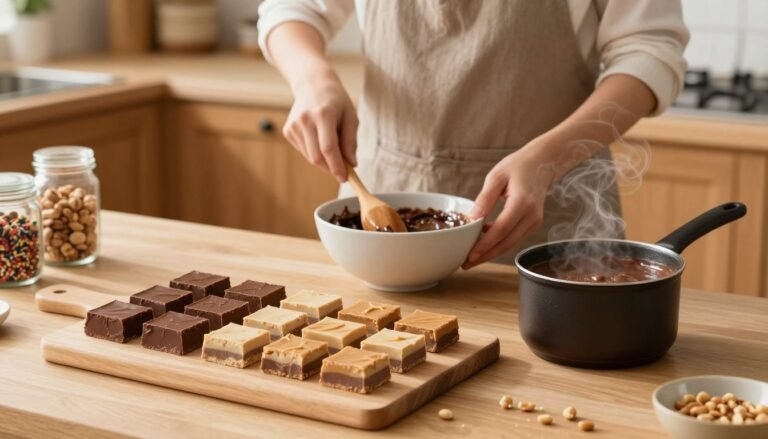
Pour the beaten fudge into a prepared pan and let it set at room temperature. Once set, cut it into small squares and serve.
Expert Tips for Perfect Penuche Fudge Every Time
Making perfect penuche fudge needs focus and proven methods. We’ve got expert advice to help you make smooth and creamy traditional penuche fudge. These tips cover the key steps in the process.
Temperature Control is Everything
Temperature control is key when making penuche fudge. Using a candy thermometer is crucial to hit the right temperature. Aim for 235°F to 240°F, the soft-ball stage, for the best fudge.
- Always use a candy thermometer to monitor the temperature accurately.
- Keep the thermometer calibrated to ensure precise readings.
- Avoid overheating the mixture, as this can cause the fudge to become too hard or crystalline.
Humidity and Weather Considerations
Humidity and weather can change your fudge’s texture. On humid days, it might get sticky. Dry conditions can make it too hard.
Here are some tips to handle these issues:
- Make penuche fudge on days with moderate humidity for the best results.
- If you’re making fudge on a humid day, you may need to adjust the cooking time or temperature slightly.
- Store your fudge in an airtight container to protect it from environmental moisture.
Avoiding Crystallization Problems
Crystallization can make your fudge grainy. To prevent this, follow these steps:
- Avoid stirring the mixture too much once it has cooled, as this can introduce sugar crystals.
- Use a high-quality brown sugar that’s less likely to contain impurities that can cause crystallization.
- Ensure that your equipment is clean and free of sugar crystals, which can seed the formation of crystals in your fudge.
By using these expert tips, you’ll get closer to making the best penuche fudge recipe. Remember, it takes practice to get it right. Don’t worry if your first batch isn’t perfect. With time, you’ll become a pro at making delicious traditional penuche fudge.
Troubleshooting Common Penuche Fudge Problems
Making penuche fudge is an art that needs precision and patience. Even experts can face issues that affect the fudge’s texture and taste. We’ll cover common problems and solutions to make your fudge smooth and rich every time.
What to Do When Your Fudge Won’t Set
It’s frustrating when your penuche fudge doesn’t set right. This often happens if the sugar mixture isn’t heated to the right temperature or cooled enough before beating. Use a candy thermometer to get the temperature right. If it still doesn’t set, try reheating it to the soft-ball stage (235°F to 240°F) and cool it again before beating.
Fixing Grainy or Crystallized Fudge
Grainy or crystallized fudge comes from sugar crystals forming during cooling or beating. To avoid this, don’t stir the fudge too much once it’s cooled enough to beat. If your fudge becomes grainy, try reheating it gently and beating it again. But the best way is to prevent it by following the recipe closely and watching the temperature and consistency.
When Your Fudge Turns Out Too Hard or Too Soft
The fudge’s consistency can be affected by many things, like kitchen humidity and beating time. If it’s too hard, it might have been overcooked or over-beaten. If it’s too soft, it could be undercooked or not beaten enough. Here are some tips for adjusting your technique based on the fudge’s consistency.

| Issue | Cause | Solution |
|---|---|---|
| Fudge too hard | Overcooked or over-beaten | Try cooking to a lower temperature next time, or beat less |
| Fudge too soft | Undercooked or under-beaten | Cook to a higher temperature or beat more |
| Grainy texture | Sugar crystals formed during cooling or beating | Avoid excessive stirring; reheat and re-beat if necessary |
Understanding these common issues and solutions will help you make delicious penuche fudge. Remember, practice makes perfect. Don’t get discouraged by initial failures. With time and patience, you’ll master making smooth, rich, and irresistible homemade penuche fudge.
Delicious Variations on Traditional Penuche Fudge
Make your penuche fudge even better with exciting flavor twists. Traditional penuche fudge is tasty, but trying new ingredients can lead to unique treats. These can match different tastes and preferences.
Maple Penuche Fudge
Try using maple syrup to spice up your penuche fudge. Swap some brown sugar with pure maple syrup for a richer taste. Start with a quarter cup of brown sugar replaced by maple syrup and adjust as needed. This change not only boosts flavor but also changes the fudge’s texture.
Nutty Penuche with Pecans or Walnuts
Adding nuts is a great way to mix up your penuche fudge. Pecans and walnuts are perfect because of their strong taste and crunchy texture. Just mix in a cup of chopped nuts when the fudge is slightly cooled. This adds texture and enhances the caramel-like taste of the penuche.
Sea Salt Penuche for a Modern Twist
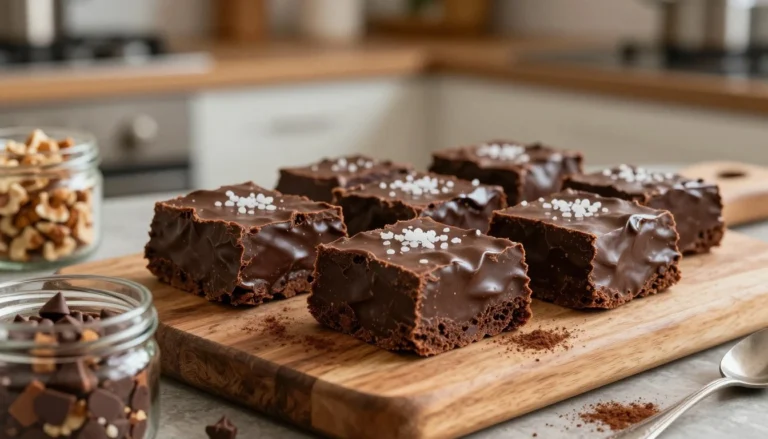
For a modern twist, add a bit of sea salt. A flaky sea salt can balance the fudge’s sweetness and deepen its flavor. Sprinkle a pinch of sea salt on the fudge before it hardens for a beautiful and tasty finish.
These ideas are a great place to start your creativity. Don’t be afraid to try new things, like adding vanilla or cinnamon, to make your penuche fudge just right.
Storing and Serving Your Homemade Penuche Fudge
Learning to store your homemade penuche fudge is key. It keeps the fudge smooth and flavorful. Good storage and serving tips can make your treats special gifts or showpieces.
Proper Storage Methods for Maximum Freshness
Store your penuche fudge in an airtight container. Wrap each piece in wax paper or parchment to avoid sticking. Keep it away from sunlight, heat, and moisture.
For up to two weeks, keep it at room temperature. In humid places, refrigerate it to prevent softening or bad flavors.
Long-term storage options include:
- Refrigerating: Wrap it tightly for up to 3 weeks.
- Freezing: Use plastic wrap or foil, then a freezer-safe bag or container. It can last 3 months in the freezer.
How Long Does Penuche Fudge Last
The fudge’s shelf life varies by storage and environment. Here’s a quick guide:
| Storage Method | Shelf Life |
|---|---|
| Room Temperature | Up to 2 weeks |
| Refrigerated | Up to 3 weeks |
| Freezer | Up to 3 months |
Creative Serving and Gift-Giving Ideas
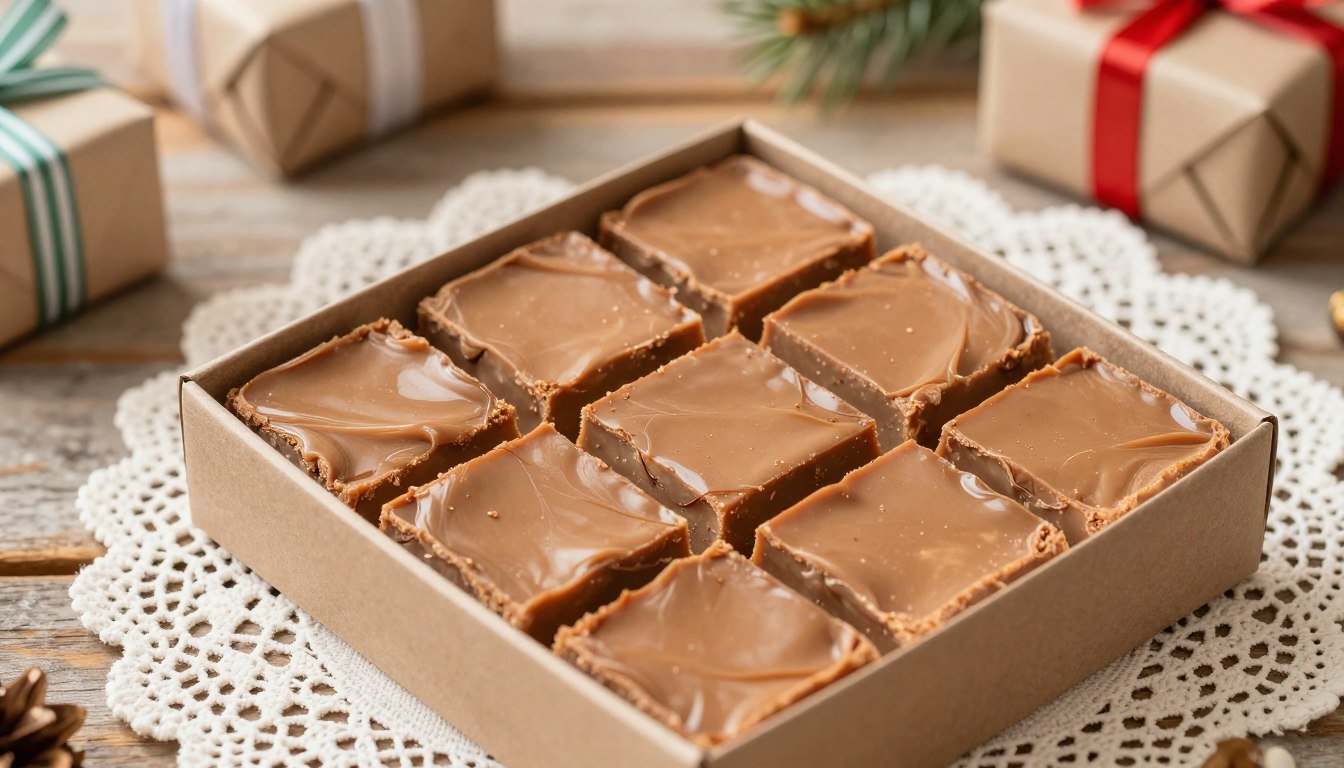
Penuche fudge is a great gift when presented nicely. Cut it into small pieces and put them in decorative tins or jars. You can also wrap each piece in decorative paper or cellophane bags with ribbons.

For a fancy look, arrange the fudge on a platter or tiered server. Pair it with nuts, dried fruits, or chocolate-covered pretzels for a sweet platter.
Conclusion
Now you know about penuche fudge, it’s time to make it at home. This treat is loved for its smooth texture and deep flavor. Making homemade penuche fudge is easy with the recipe from this article.
Great penuche fudge needs quality ingredients, careful temperature control, and patience. You can also try adding nuts or sea salt for a unique flavor. Your homemade penuche fudge will be a hit at any event.
With this recipe, you’re close to enjoying the buttery taste of penuche fudge. Try it out and see the joy of making something special in your kitchen.
FAQ
Is it possible to make penuche fudge without condensed milk?
Yes! This recipe uses heavy cream and butter for its richness. It’s the authentic way to make it. Modern versions with sweetened condensed milk are different.
Why is it called penuche?
It’s named after “panocha,” a Spanish/Mexican term for raw sugar or fudge. It became popular in New England for this type of brown sugar fudge.
Can I use this as a quick penuche fudge recipe?
While boiling is fast, cooling and beating take time. To speed up, place the saucepan in lukewarm water. But avoid ice water to prevent graininess.
What is the best way to ensure I have the best penuche fudge recipe results?
Let the mixture cool to 110°F without stirring. Stirring too early can make it grainy. This ensures a smooth finish.
How do I store homemade penuche fudge so it doesn’t dry out?
Store it in an airtight container at room temperature. Avoiding air exposure keeps it moist. Use Glad or Ziploc containers for best results.
Can I use dark brown sugar for authentic penuche fudge?
Absolutely. Dark brown sugar gives a deeper molasses flavor and darker color. Most prefer light brown sugar for a milder caramel taste, but both work well.