
Easy 7 Up Pound Cake
Table of Contents
Easy 7 Up Pound Cake: A Classic Dessert
Do you remember the warm feeling of being in a family kitchen? It might be the smell of butter and sugar or the softness of a slice after dinner. This easy 7 Up pound cake brings back that cozy feeling. It’s made with simple ingredients, mixed quickly, and always turns out moist, making it perfect for any gathering.

This article aims to give you a reliable recipe for a 7 Up pound cake. If you’re looking for an easy 7 Up pound cake recipe or the classic version, you’re in the right place. You’ll find everything you need, from ingredient lists to step-by-step instructions and tips for fixing common issues.
Think of this page as your go-to guide for baking. It’s perfect for home cooks, beginners, busy parents, and anyone who loves old-fashioned 7 Up pound cake. You’ll learn how 7 Up enhances texture and flavor, how to avoid mistakes, and how to adjust the recipe to fit your needs.
Key Takeaways
- The recipe for a 7 up pound cake is quick, forgiving, and ideal for home bakers.
- An easy 7 up pound cake recipe yields a moist, tender crumb with minimal fuss.
- This classic 7 up pound cake suits beginners, busy cooks, and family gatherings.
- You’ll get step-by-step instructions plus troubleshooting and storage tips.
- The guide includes simple variations to customize flavor and presentation.
Why you’ll love this easy 7 Up pound cake recipe
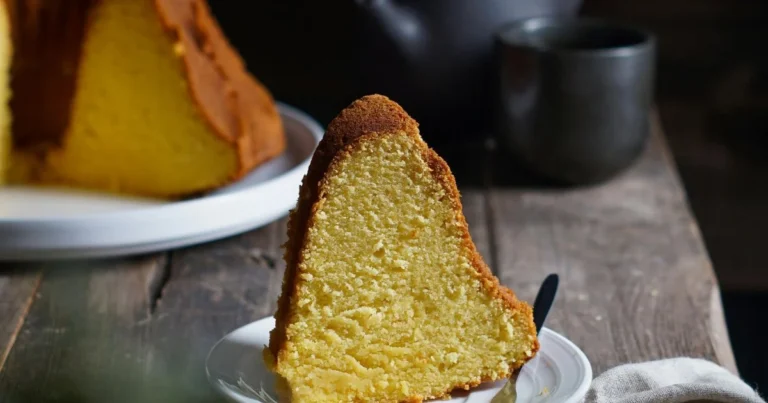
This recipe is refreshingly simple and tender. It uses lemon-lime soda instead of syrups, making it easy to make. The cake has a soft crumb, golden crust, and a hint of citrus.
The cake is perfect for quick celebrations and casual gatherings. It keeps well, stays soft for days, and is great with glazes or berries. If you like easy baking with reliable results, this recipe is for you.
What makes this version different from other pound cakes
This method makes the cake less dense without losing flavor. Traditional pound cakes use eggs, butter, and flour for density. But, using soda makes the crumb lighter while keeping the buttery taste.
You don’t need a separate syrup or long soaking steps. The method is simple, so you can enjoy the results more. The cake is classic but has a lighter feel than many old-school versions.
Benefits of using 7 Up for texture and flavor
7 Up’s carbonation and baking powder add airiness to the batter. The soda’s acidity tenderizes gluten, making the cake softer. The citrus in the soda complements vanilla or almond extract and lemon or orange zest.
The soda keeps the cake moist for days. It’s perfect for make-ahead baking and gifting. This makes the cake ideal for any occasion.
Who this classic 7 Up pound cake is perfect for
This cake is great for home bakers who want a classic dessert without hard techniques. It’s perfect for potlucks, tea, picnics, birthdays, and holidays. It brings back memories of family gatherings with simple sweets.
It’s also versatile for cooks who like to experiment. You can make it into a bundt, loaf, or mini cakes. Add a glaze, powdered sugar, or citrus curd for a quick upgrade.
| Feature | What to expect | Why it matters |
|---|---|---|
| Texture | Light, tender crumb | Easy slicing and pleasant mouthfeel for days |
| Flavor | Subtle citrus and vanilla notes | Pairs well with glazes, cream, and fruit |
| Prep time | Shorter than many traditional pound cakes | Less hands-on time; great for busy cooks |
| Versatility | Works as bundt, loaf, or mini cakes | Adapts to occasions from casual to special |
| Longevity | Remains moist for several days | Good for make-ahead dessert planning |
recipe for a 7 up pound cake
This recipe for a 7 up pound cake is easy to follow. It includes all the ingredients you need and simple steps. It also warns about common mistakes to avoid.
Make sure your ingredients are at room temperature. Use a good bundt or loaf pan for the best results. The recipe tells you how many slices you’ll get and how long it will take to bake.
Full ingredient list for the 7 Up pound cake recipe
This recipe makes one standard bundt cake or one 9×5 loaf. For two loaves or a bigger bundt, just double the ingredients.
- 1 cup (2 sticks) unsalted butter, softened to room temperature
- 2 cups granulated sugar
- 4 large eggs, room temperature
- 3 cups all-purpose flour, spooned and leveled
- 1 tbsp baking powder
- 1/2 tsp fine salt
- 1 cup 7 Up soda, at room temperature
- 1 tsp pure vanilla extract
- 1 tsp lemon zest (optional, for bright citrus notes)
- 1 cup confectioners’ sugar + 1–2 tbsp 7 Up for a simple glaze (optional)
Step-by-step instructions to bake the cake
Preheat your oven to 325–350°F, depending on the pan size. Grease and flour a bundt or lightly grease a 9×5 loaf pan. You can also use parchment for easy release.
- Beat the softened unsalted butter and granulated sugar on medium speed until pale and light, about 4–6 minutes. This creates air for a tender crumb.
- Add eggs one at a time, mixing after each until just combined. Scrape the bowl so everything blends evenly.
- Stir in vanilla extract and optional lemon zest until distributed.
- In a separate bowl, whisk together all-purpose flour, baking powder, and salt.
- With the mixer on low, add the dry ingredients and 7 Up alternately to the butter mixture, beginning and ending with the dry mix. Mix only until combined to avoid developing gluten.
- Pour the batter into the prepared pan, smooth the top, and tap gently to remove large air pockets.
- Bake at 325°F for a bundt or 350°F for a loaf. Typical bake times: bundt 50–65 minutes, loaf 45–60 minutes. Test with a skewer; it should come out clean or with a few moist crumbs.
- Cool on a wire rack 10–15 minutes in the pan. Invert onto the rack to finish cooling. For a glaze, mix confectioners’ sugar with 1–2 tbsp 7 Up and pour while the cake is warm so the glaze soaks in.
Common mistakes to avoid while following the recipe
Avoid using cold butter or eggs. Cold ingredients can cause curdling and uneven texture in this 7 up pound cake recipe.
Do not overmix the batter once you add flour. Overworking produces gluten and a tough crumb, which ruins a homemade 7 up pound cake.
Resist opening the oven door often. Sudden temperature drops can make the cake sink in the middle.
Check your baking powder. Old leavening gives poor rise and a dense result. Measure flour by spooning into the cup and leveling to prevent excess flour that dries the cake.
Watch bake time closely. Overbaking creates a dry cake. Aim for the skewer test and use the suggested ranges to plan yield and timing.
Ingredients explained for the best 7 Up pound cake
Knowing what each ingredient does is key to baking a moist 7 up pound cake. Here, we explain the roles of common ingredients. We also suggest substitutions for different diets and tips for choosing the best butter, flour, and soda.
Role of each ingredient in a moist 7 Up pound cake
Butter makes the cake rich and tender. Use unsalted butter to control the salt.
Sugar adds sweetness and helps the batter trap air. This air makes the cake light and fluffy.
Eggs are emulsifiers and add lift. Beating them well incorporates air, which helps the cake rise and have a fine crumb.
All-purpose flour gives the cake its structure. The protein in flour forms gluten, which holds moisture and shape without making it tough.
Baking powder adds extra leavening to balance the soda’s lift. A small amount prevents the cake from becoming dense.
Salt enhances flavor. It brings out the butter, sugar, and vanilla, keeping the sweetness balanced.
7 Up adds moisture, carbonation, and a hint of citrus. It lightens the batter and keeps the crumb soft, making the cake moist.
Vanilla or almond extract and citrus zest add aroma and depth. Use citrus zest sparingly to avoid overpowering the cake.
Substitutions and dietary adjustments
For lower-fat options, try part-skim or plant-based butter spreads. They will change the richness and flavor slightly compared to European-style butter.
For a finer crumb, replace some all-purpose flour with cake flour. Reduce the amount of cake flour slightly to avoid a gummy texture.
For gluten-free versions, use a certified gluten-free all-purpose blend. Add xanthan gum if the blend lacks it. Baking time may be a few minutes longer.
Egg replacers like applesauce or flax eggs work for vegan or egg-free cakes. The crumb will be denser, and the rise different.
For sugar alternatives, use erythritol blends made for baking. Watch for browning and texture changes; these swaps can affect the crust and moisture.
Vegan adaptations need both egg and butter substitutes. Expect a longer bake time and a softer crust. Cool gently to avoid overbaking.
How to choose the best butter, flour, and soda
Choose European-style unsalted butter or a high-quality unsalted brand for better flavor and creaminess. Salted butter can make flavor unpredictable.
Opt for unbleached all-purpose flour for consistent results. It provides reliable structure and predictable absorption in recipes like the best 7 up pound cake recipe.
Use a fresh can or bottle of regular 7 Up for the best carbonation and flavor. Avoid diet sodas. Sprite and other lemon-lime sodas can work, but they will change the sweetness and flavor slightly.
Small choices make a big difference. Choosing quality butter, reliable flour, and fresh soda will help you achieve the texture and taste that make this a classic 7 up pound cake.
Equipment and prep tips for an easy 7 Up pound cake recipe

Before you start baking, make sure your workspace is ready. Choosing the right equipment and prep steps can save you time. They also help you make a reliable homemade 7 up pound cake every time.
Essential tools and pan recommendations
Use a stand mixer or a good hand mixer to cream butter and sugar until light. Have a set of mixing bowls, a rubber spatula, and both liquid and dry measuring cups ready.
A kitchen scale is best for weighing flour and sugar accurately. A fine sifter keeps dry ingredients lump-free. Use a toothpick or cake tester to check if the cake is done.
For the classic look, choose a nonstick bundt pan. A 9×5 loaf pan is great for slices and gifts. Grease and flour pans well or use baking spray. Line a loaf pan with parchment for easy removal.
Prep steps to save time and ensure success
Bring butter and eggs to room temperature before you start. This ensures they mix more evenly and helps the cake rise better.
Preheat the oven to the recipe’s temperature while you measure ingredients. Sift dry ingredients together to avoid streaks of flour in the batter.
Grease and flour pans or spray them. Measure the soda last and add it just before mixing. This keeps the batter fizzy and light for the recipe for a 7 up pound cake.
How to properly measure ingredients for consistency
Use the spoon-and-level method for flour. Spoon flour into the measuring cup, then level with a knife to avoid packing that dries the cake.
Use clear glass measuring cups for liquids so you can read at eye level. Measure sugar and flour with dry cups and press gently, only when a recipe asks for packed sugar.
Weigh ingredients with a kitchen scale when possible. Weighing ensures repeatable results for your easy 7 up pound cake recipe. It makes every homemade 7 up pound cake consistent in texture and moistness.
Baking techniques for a moist 7 Up pound cake
To get a tender crumb and even rise, focus on a few key techniques. Handle the batter gently, keep the oven heat steady, and check for doneness carefully. This will make your easy 7 up pound cake recipe the best your family will love.
Mixing methods to avoid overworking the batter
Start by creaming room-temperature butter and sugar until it’s light and fluffy. This step traps air, which is crucial for the cake’s rise.
Then, add eggs one at a time, mixing just until they’re fully incorporated. Beating too much after adding eggs can develop gluten, leading to a dense crumb.
Finally, gently fold in the dry ingredients and 7 Up with a rubber spatula. Use slow, gentle strokes until the flour streaks disappear. This helps keep the cake soft and ensures it stays moist.
Optimal oven temperature and timing tips
Choose an oven temperature between 325°F and 350°F. For large bundt pans, use 325°F to ensure even baking without overbrowning the edges.
Bake times vary: bundt pans take 50–70 minutes, loaf pans 50–60 minutes, and mini loaves and cupcakes even less. If your oven has hot spots, rotate the pan halfway through baking.
Testing for doneness without drying out the cake
To check if the cake is done, insert a toothpick or cake tester into the center. It should come out with a few moist crumbs, not wet batter. Also, press the top gently; it should spring back.
Check that the edges are slightly pulled away from the pan. Remove the cake when it’s just done. Let it cool briefly in the pan to avoid collapse and keep it moist.
| Technique | What to do | Why it matters |
|---|---|---|
| Creaming | Cream butter and sugar until pale and airy | Incorporates air for lift and light crumb |
| Egg addition | Add eggs one at a time, mix until just combined | Prevents overdevelopment of gluten and toughness |
| Folding | Fold dry ingredients and soda gently with a spatula | Preserves air and keeps the cake moist |
| Oven temp | 325°F for bundt, 350°F for smaller loaves | Ensures even baking and avoids dry edges |
| Doneness test | Toothpick with moist crumbs, spring-back top, edges pulling | Prevents overbaking so the cake stays tender |
Classic 7 Up pound cake variations and flavors
You can make many delicious versions of the classic 7 Up pound cake. Just add a few special touches. Choose from bright citrus, warm extracts, or richer toppings. Small changes can make big differences, perfect for gifts, parties, or just enjoying at home.
Adding citrus, vanilla, or almond extracts
For a citrus boost, add 1 to 2 tablespoons of lemon or orange zest. Use the zest of one medium lemon or orange for a 9×5 loaf. For a unique flavor, mix in 1 teaspoon of vanilla and 1/2 teaspoon of almond extract. Add 1 tablespoon of bourbon for a grown-up twist.
Be careful with the extracts. Too much almond can overpower the cake. The best flavors come from zest and extracts mixed with a bit of 7 Up.
Glazes, icings, and toppings to enhance flavor
A simple powdered sugar glaze is quick and bright. Mix 1 cup confectioners’ sugar with 1 to 2 tablespoons of 7 Up or lemon juice. Drizzle it on the cake while it’s warm for a shiny finish.
For something richer, try cream cheese frosting. Mix 4 ounces cream cheese, 1/4 cup butter, 1 cup confectioners’ sugar, and 1/2 teaspoon vanilla. Use citrus glazes for a tangy touch. Top with toasted pecans, fresh berries, or candied citrus peel for extra texture and color.
Creative twists: bundt, loaf, or mini versions
Change up the pan to create different cakes. A bundt pan takes 50–65 minutes at 325°F. A 9×5 loaf needs 60–75 minutes. Mini loaves or cupcakes bake in 18–28 minutes. Check with a toothpick; it should have a few moist crumbs.
Adding mix-ins can enhance texture. Try 1/2 cup blueberries, 2 tablespoons poppy seeds, or 1/2 cup streusel. These add-ins complement the classic 7 Up pound cake while keeping its tender crumb.
| Variation | Key Additions | Pan & Bake Time | Best Topping |
|---|---|---|---|
| Lemon zest | 1 tbsp lemon zest + 1 tbsp lemon juice | 9×5 loaf, 60–70 min | Lemon powdered glaze |
| Vanilla-almond | 1 tsp vanilla + 1/2 tsp almond extract | Bundt, 50–65 min | Cream cheese frosting |
| Bourbon citrus | 1 tbsp bourbon + 1 tbsp orange zest | 9×5 loaf, 65–75 min | Orange glaze + toasted pecans |
| Blueberry poppy | 1/2 cup blueberries + 2 tbsp poppy seeds | Mini loaves, 18–25 min | Light dusting of powdered sugar |
| Streusel top | 1/2 cup streusel folded or sprinkled | Bundt or loaf, adjust 5–10 min | Cinnamon-sugar crumble + glaze |
Storage, freezing, and serving suggestions for homemade 7 Up pound cake
Let your homemade 7 up pound cake cool completely before storing. This step helps keep it moist and prevents crumbling. Wrap it tightly in plastic wrap and then in an airtight container for short-term storage.
For eating within three days, keep it at room temperature. For longer storage, refrigerate it for up to a week. Make sure to rewrap cut portions to keep them moist.
Freezing the cake whole or in slices is convenient for later use. Wrap it in plastic wrap and then foil to avoid freezer burn. Store it for up to three months, labeling with the date.
Thaw the cake at room temperature to avoid moisture on the surface. For a fresh taste, reheat slices in the microwave or oven. This method keeps the cake moist without overcooking.
There are many ways to serve your cake. Enjoy it plain for a simple treat or add a citrus glaze for extra flavor. Pair it with vanilla ice cream or whipped cream and fresh berries for a special touch.
For parties, slice the cake ahead of time and display it on a platter. Add lemon or orange zest and mint for a pop of color. This recipe is perfect for any occasion, from potlucks to holiday gatherings.
| Task | Method | Timeframe |
|---|---|---|
| Room-temperature storage | Cool completely, wrap in plastic, airtight container | Up to 3 days |
| Refrigeration | Wrap tightly to retain moisture | Up to 1 week |
| Freezing whole cake | Plastic wrap + foil, label date | Up to 3 months |
| Freezing slices | Individually wrap slices for easy thawing | Up to 3 months |
| Thawing | Thaw wrapped at room temperature to avoid condensation | 1–3 hours depending on size |
| Reheating | Microwave briefly or warm in 300°F oven | 12–20 sec (microwave), 5–8 min (oven) |
| Serving suggestions | Plain, glaze, whipped cream, berries, or ice cream | Suitable for potlucks and holidays |
Troubleshooting common issues with the best 7 Up pound cake recipe
When a cake doesn’t turn out right, small fixes can save it. Use these tips to rescue your cake and improve it next time.

What to do if the cake sinks or is dense
First, check your mixing technique. Overmixing or undermixing can make the cake sink. Next time, gently fold dry ingredients into the batter.
Make sure your oven temperature is correct with an oven thermometer. If it’s too cool, the center sinks. If it’s too hot, the edges set too fast. Also, replace old baking powder and baking soda to avoid a dense cake.
Fixes for a dry or crumbly cake
Warm slices with simple syrup made from sugar and water. For extra flavor, use 7 Up instead of water. Serve with whipped cream, custard, or fruit compote for moisture and richness.
To avoid dryness, use room-temperature butter and measure flour correctly. Shorten bake time or lower oven heat if your oven bakes too long.
How to salvage glazing or texture problems
If a glaze separates, whisk in warm water or 7 Up until smooth. If it’s too thin, add confectioners’ sugar slowly.
Gummy texture means the cake was underbaked. Bake it in short increments until a tester is clean. For small flaws, cover with berries, toasted pecans, or powdered sugar.
Why this old fashioned 7 Up pound cake still matters
The old fashioned 7 up pound cake comes from mid-20th century American kitchens. Home bakers used carbonated sodas to add lift and moisture. This trick made the cake famous for its reliable results.
Many families kept a handwritten 7 up pound cake recipe in a drawer or church cookbook. You can still find these recipes at potlucks and family reunions. The scent of butter and citrus brings back warm memories for everyone.
In the South, the classic 7 up pound cake is a hit at socials and bake sales. It’s seen on picnic tables, at church suppers, and on Sunday dessert platters. Community cookbooks and regional magazines have kept these recipes alive for decades.
Today, bakers use quality ingredients and small tweaks to improve the cake. They might use organic butter, artisanal flour, or fresh citrus zest. Some also update the glaze or try gluten-free flour blends while staying true to the classic.
Social media and food blogs quickly share new 7 up pound cake recipes. YouTube videos offer step-by-step guides for beginners. Bakers now make the dessert in loaf pans, bundts, and mini cakes, making it versatile for today’s kitchens.
Keeping the recipe approachable is important for feeding a crowd or sharing a gift. The mix of texture and flavor in this dessert keeps home cooks coming back, generation after generation.
Conclusion
You can make a moist, tasty 7 Up pound cake easily. Just follow the recipe in this guide. Use good butter and flour, measure right, and mix and bake as suggested. This way, you get a cake that’s tender and has a hint of citrus.
Want to try something different? Add lemon zest, a vanilla glaze, or bake it in a bundt pan. The cake is great with icings and toppings. You can even freeze slices for later.
If the cake sinks or gets dry, don’t worry. There’s advice on how to fix it. And to keep it fresh, follow the storage tips.
Give the recipe a try, share your photos, and adjust things to your liking. This recipe is quick, brings back memories, and is perfect for any occasion. This guide has everything you need to bake a moist 7 Up pound cake at home.
FAQ
What is a 7 Up pound cake and why use 7 Up in the recipe?
A 7 Up pound cake is a classic dessert. It uses lemon-lime soda, like 7 Up, for moisture and a hint of citrus. This soda makes the cake light and keeps it soft for days. For the best flavor, use fresh, full-sugar 7 Up.
What are the basic ingredients and quantities for a standard bundt or 9×5 loaf?
For a classic 7 Up pound cake, you’ll need: 1 cup unsalted butter, 2 cups sugar, 4 eggs, 3 cups flour, 2 teaspoons baking powder, 1/2 teaspoon salt, 1 cup 7 Up, 2 teaspoons vanilla, and 1 tablespoon lemon zest. For glaze, mix 1 to 1 1/2 cups confectioners’ sugar with 1–2 tablespoons 7 Up or lemon juice. These ingredients make a moist cake perfect for gatherings.
What is the best method to mix the batter without making the cake tough?
Start by creaming the butter and sugar until fluffy. Then, add eggs one at a time, mixing well. Next, mix the dry ingredients with the 7 Up in three parts, starting and ending with dry ingredients. Stop mixing once the flour is just combined. This gentle mixing keeps the cake tender.
What oven temperature and bake times should I use for bundt, loaf, or mini versions?
Bake at 325°F for bundt pans or 350°F for loaves and smaller pans. Bake times vary: 50–70 minutes for bundt, 50–60 minutes for 9×5 loaves, and 20–30 minutes for mini loaves. Check with a toothpick; it should have a few moist crumbs.
Why did my cake sink in the middle or turn out dense?
Common issues include overmixing, undermixing, expired leavening, wrong oven temperature, or too much liquid. Check your oven and baking powder. Use room-temperature ingredients and mix gently. Adjust the recipe if needed.
How can I prevent the cake from drying out and what if it’s already dry?
To avoid dryness, measure flour correctly and use room-temperature butter. Don’t overbake and keep the oven temperature right. If the cake is dry, warm it with a simple syrup. Serving with glaze or toppings also helps.
Can I make substitutions for dietary needs (gluten‑free, vegan, reduced sugar)?
Yes, for gluten-free, use a 1:1 blend and add xanthan gum if needed. For vegan, try plant-based butter and egg replacers. For less sugar, use erythritol blends. Note that these changes may affect texture and flavor.
What glaze or toppings pair best with a 7 Up pound cake?
A simple glaze with 7 Up or lemon juice adds moisture and shine. Cream cheese frosting is great for special occasions. Try citrus glazes, nuts, berries, or powdered sugar for extra flavor.
How should I store, freeze, and reheat leftover cake?
Cool the cake, then wrap it tightly in plastic wrap and airtight containers. Store at room temperature for 3 days or refrigerate for a week. Freeze for up to 3 months. Reheat in the microwave or oven for a fresh taste.
What equipment do I need and any tips for pan preparation?
You’ll need a mixer, bowls, spatula, measuring tools, sifter, and a bundt or loaf pan. Grease and flour the pan well or use baking spray. For loaf pans, use parchment for easy removal. Ensure bundt pans are well-greased for clean release and even glaze.
Can I add mix‑ins like blueberries, poppy seeds, or streusel to the batter?
Yes, add 1 to 1 1/2 cups of berries or 2 to 3 tablespoons of poppy seeds. Streusel on top adds texture. Adjust bake times and avoid overfilling pans. These additions make your cake unique.
Is there a traditional history behind the 7 Up pound cake?
Soda-based cakes were popular in mid-20th century American baking. They were easy and reliable. The 7 Up pound cake became a staple in Southern and home cooking, loved for its simplicity and results.